

Ah, the ultimate Caribbean hop! If you’re already soaking up the sun in Cancun and suddenly feel like you’re missing a bit of salsa, classic 1950s cars, and that unique mysticism that only a place frozen in time can provide, then Havana is calling your name.
Crossing from Cancun to Cuba is almost a rite of passage for the savvy traveler. They are so close you might think you could swim there (don’t—the currents are treacherous and the sharks are hungry), but in reality, it is one of the most fascinating air bridges in the world. Here is your complete guide to jumping from the modernity of Quintana Roo to the beating heart of the Caribbean’s largest island in 2026.
Logistics: Crossing the Pond in 60 Minutes
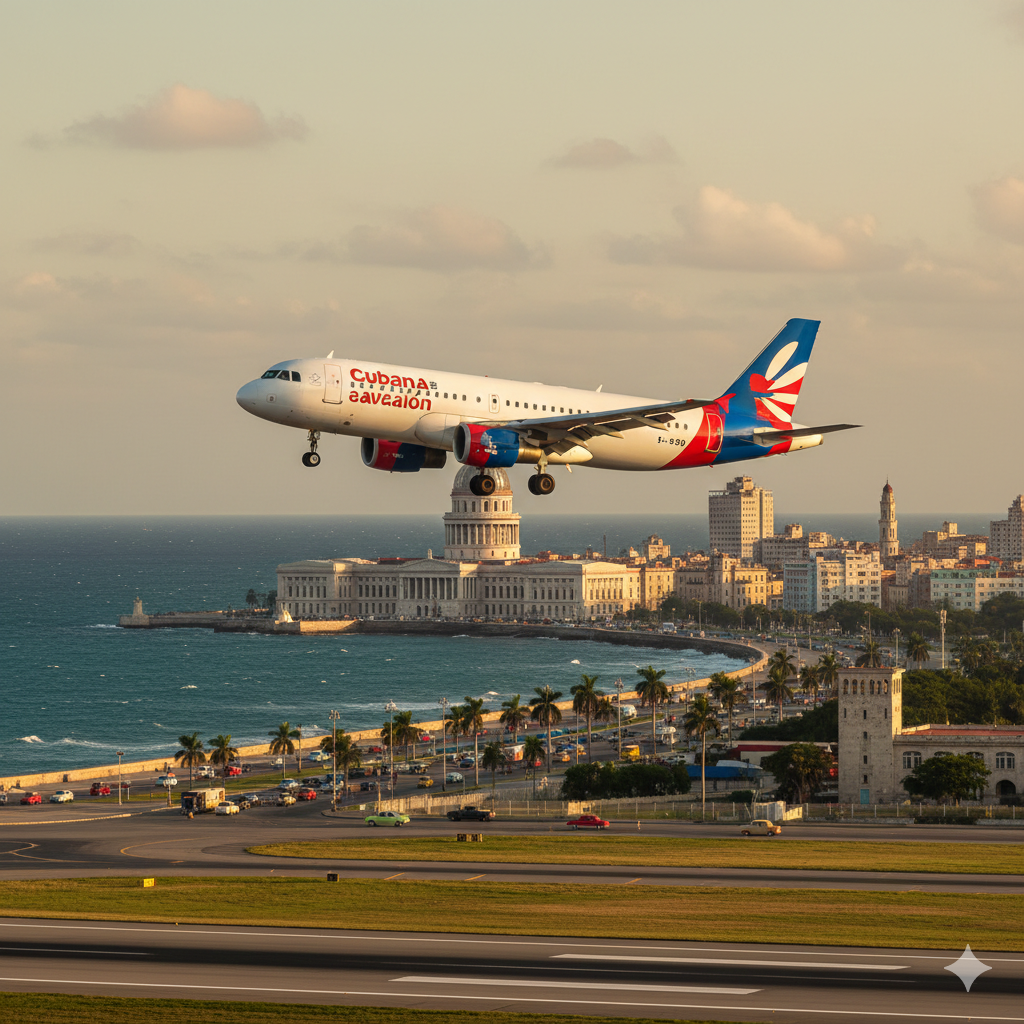
The first thing you need to know is that flying from Cancun to Havana is faster than watching a superhero movie. The flight lasts approximately one hour. Literally, by the time they finish serving your coffee, you’re already spotting the Cuban coastline through the window.
Which airlines should you choose?
By 2026, options have diversified, but the classics remain the most reliable:
Aeromar & Magnicharters: Often offer very convenient charter flights.
Viva Aerobus: The go-to choice for budget-conscious travelers.
Cubana de Aviación: For those who want the Cuban experience to start the moment they step onto the plane (though their schedules can be… “flexible”).
The Visa Myth (Tourist Card)
Don’t panic. Getting the Tourist Card (Tarjeta de Turista) to enter Cuba from Cancun is ridiculously easy. Most of the time, you can buy it directly at your airline’s check-in counter at Cancun International Airport (CUN). It costs around $25 to $30 USD, and you fill it out by hand. Don’t lose it! You’ll need it to leave the island.
Survival Prep: What the Brochures Don’t Tell You

Traveling to Cuba isn’t like going to any other country. It’s a world apart with its own rules, and this is where the fun (and a bit of chaos) begins.
The Money Talk (2026 Version)
Forget your payment apps, and if you’re coming from the US, forget your American bank cards. In Cuba, cash is king.
Bring Euros or Canadian Dollars (the US dollar often faces exchange penalties).
Exchange some into Cuban Pesos (CUP) for street expenses, but keep foreign currency to pay in specific establishments.
Internet: The Forced Detox
While connectivity has improved by 2026, don’t expect Cancun’s 5G. You’ll buy ETECSA cards to connect in parks or plazas, or use Wi-Fi in hotels. Take the opportunity to disconnect and look people in the eye instead of at a screen.
What to Do in Havana? (Where the Magic Happens)

Once you land at José Martí International Airport, get ready. The air smells of the sea, tobacco, and history.
Old Havana: A Living Museum
Walking through its cobblestone streets is like traveling back in time. Don’t miss the Cathedral Square or the Plaza de Armas.
Fun Tip: Look for “secret” bars on the second floors of colonial buildings that look like they’re about to crumble; they usually have the best live music.
The Malecón at Sunset
It’s the city’s sofa. Thousands of Habaneros gather here to watch the sun go down, play guitar, and share a bottle of rum. If you want to feel the true pulse of the city, this is the place.
A Ride in an “Almendrón”
You can’t leave without hopping into a vibrantly colored classic convertible. Yes, it’s very touristy, but feeling the wind in your face as you pass the Capitol building will make you feel like a 1940s movie star.
Cultural Shock: From “All-Inclusive” to “Casa Particular”

In Cancun, you’re likely staying in a mega-resort where everything is a click away. In Cuba, the real experience lies in Casas Particulares. These are local family homes that rent out rooms. It’s the best way to:
Eat the best home-cooked food (arroz con gris and ropa vieja made by a Cuban “abuela” has no rival).
Understand the reality of the island firsthand.
Get the best safety and transport tips that no guidebook will give you.
The Return: Don’t Let Stress Ruin the “Sabor”
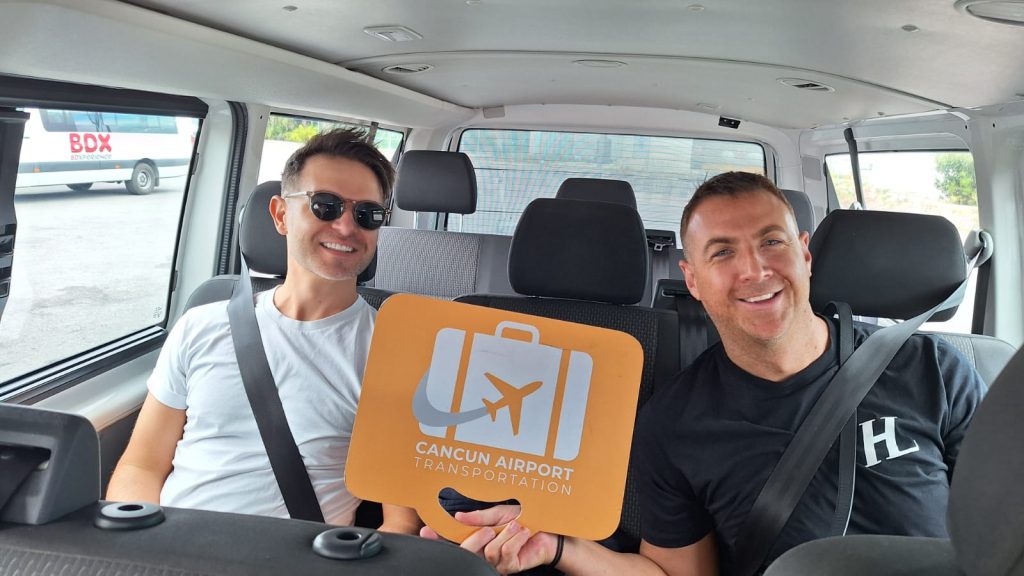
After a few days of dancing, eating, and exploring, you’ll have to head back to the reality of Cancun. The return flight is just as quick, but the reverse culture shock is real. Going from the (sometimes slow) tranquility of Cuba to the commercial bustle of Cancun can be intense.
This is where many travelers make a mistake: not planning their arrival back in Mexico.
The Importance of a Smooth Landing
After dealing with Cuban public transport or negotiating with taxis in Havana, the last thing you want when landing at Cancun Airport is to negotiate prices again or wait under the midday sun for a ride that never shows up.
To maintain that “zen” state you earned in the Caribbean, it’s best to book Cancun Airport Transportation services before you even take off for Cuba.
Why? Because you’ll have a professional driver waiting for you with a sign with your name, the AC blasting, and a modern vehicle to take you straight to your hotel or home.
Comfort: After walking miles through Old Havana, your feet will thank you for a private, safe ride.
Security: In 2026, the peace of mind knowing your transport is monitored and reserved is priceless.
Conclusion: One Trip, Two Worlds
Traveling from Cancun to Havana is the perfect combo. You get the best of both worlds: the luxury and world-class infrastructure of Mexico, and the unbreakable soul and deep history of Cuba. It’s an adventure that changes your perspective and fills your suitcase with memories (and probably a few bottles of rum).
Don’t let logistics slow you down. Organize your flights, get your tourist card, and above all, secure your Cancun Airport Transportation so your only worry is deciding whether your next mojito should have sugar or not.
Ready to make the jump?